


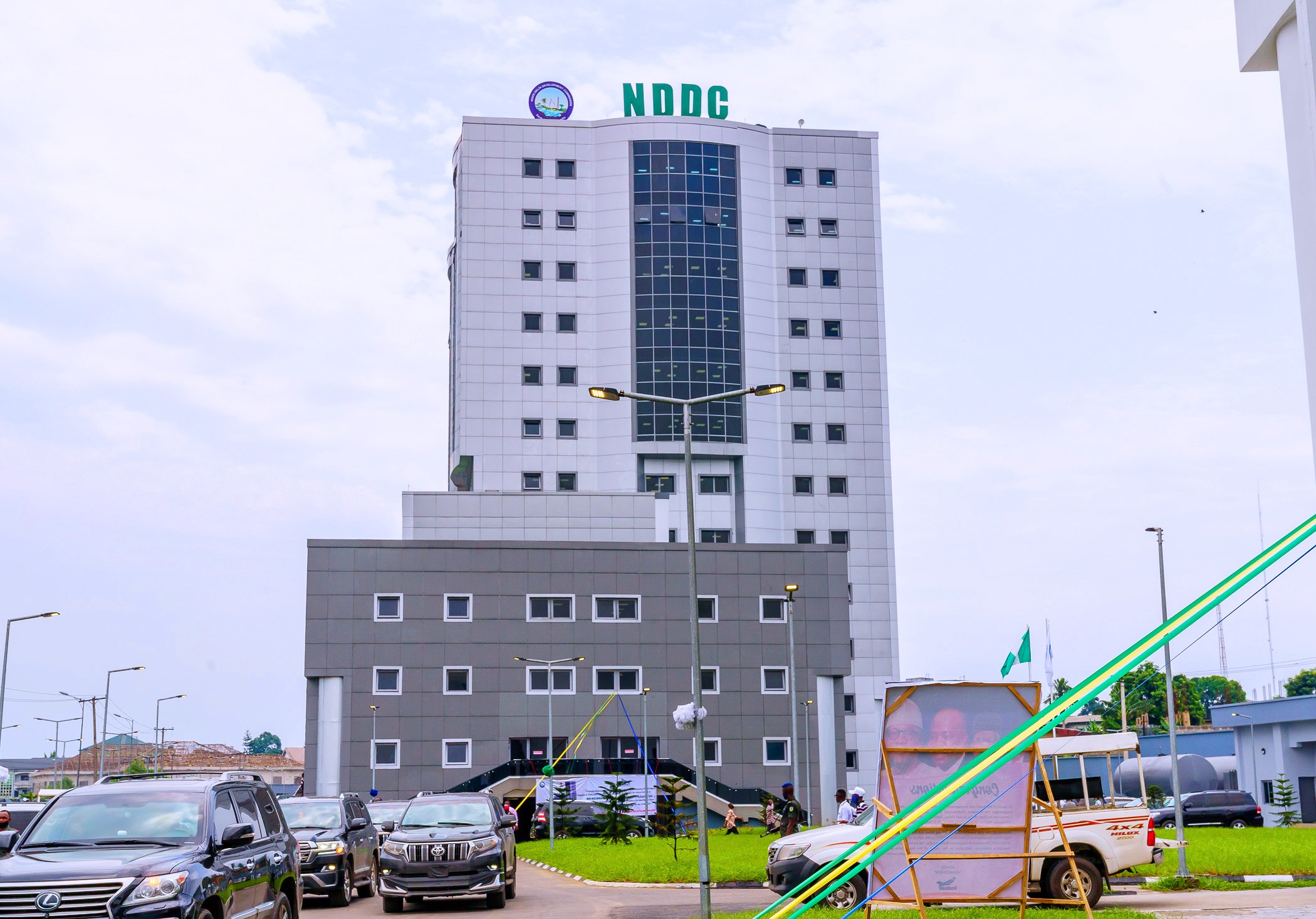
The Niger Delta Development Commission has warned Nigerians to beware of fraudsters exploiting its Youth Internship Scheme to defraud unsuspecting members of the public.
In a statement, the Commission said its attention had been drawn to a viral message circulating across social media platforms, in which scammers are asking “all Nigerian youths” to submit their bank account details to receive a N50,000 monthly stipend as purported beneficiaries of the scheme.
According to the Commission, the individuals behind the scheme are attempting to deceive youths by posing as representatives of the NDDC and falsely linking the offer to its legitimate empowerment programmes.
“The criminals behind this deception are luring youths into falling for their phantom scheme, hiding behind the cover of NDDC’s various youth empowerment schemes,” the statement noted.
The Commission clarified that beneficiaries of its Youth Internship Scheme were carefully selected and documented through its official database, stressing that many eligible youths from the Niger Delta had already benefited from the genuine programme.
It urged the public, particularly young Nigerians seeking employment opportunities, to exercise caution and rely only on verified communication channels.
“We advise members of the public, especially our youths who are seeking genuine means of livelihood, to beware of the antics of scammers and seek information only from the NDDC official channels,” the Commission stated.
Describing the situation as troubling, the NDDC lamented that some individuals were exploiting the vulnerability of youths eager to secure legitimate means of livelihood.
“It is indeed disturbing that some mischievous individuals are trying to take advantage of our youths who are genuinely eager to be gainfully engaged in legitimate activities,” it added.
The Commission further directed that all enquiries regarding its Youth Internship Scheme and other empowerment initiatives should be made through its official platforms. It also encouraged beneficiaries and prospective applicants to verify information via its website and social media handles to avoid falling victim to fraud.


